
With a rich past that includes Celtic, Roman and Muslim influences, Coimbra became the capital of the kingdom when the first king of Portugal, Afonso Henriques, left Guimarães to settle here in 1139.
The fact that it was on a navigable river, the Mondego, and proximity of the sea port of Figueira da Foz helped the city to become an important trading post.
The University was first moved to Coimbra in 1309, but only established permanently in the town in 1537, during the reign of João III.
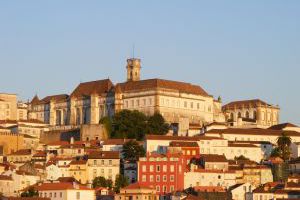
Always associated with the University and a bohemian student atmosphere, Coimbra is viewed with particular affection by the Portuguese. A setting for both pranks and revolts, Coimbra has always encouraged a somewhat romantic image, closely associated with the famous Fado de Coimbra and serenades.
Students, who enjoyed few privileges in the past, usually lived in the so-called Repúblicas, originally set up by King Dinis and which have survived over the years, still being considered a symbol of the university community. Characterised by a spirit of sharing, the Repúblicas were managed by the students themselves.
Blessed with natural features that give it a unique identity, the city has numerous green spaces perfectly integrated into the urban environment. Facing the river, houses are spread over the hillside overlooking the banks of the Mondego, a river with a more important role since the completion of redevelopment work in recent years.
From a geographical point of view, besides its central location between Lisbon and Porto, Coimbra is also between two of the most important religious centres in the Peninsula, Fátima and Santiago de Compostela, which also makes this city a hub for religious tourism.