
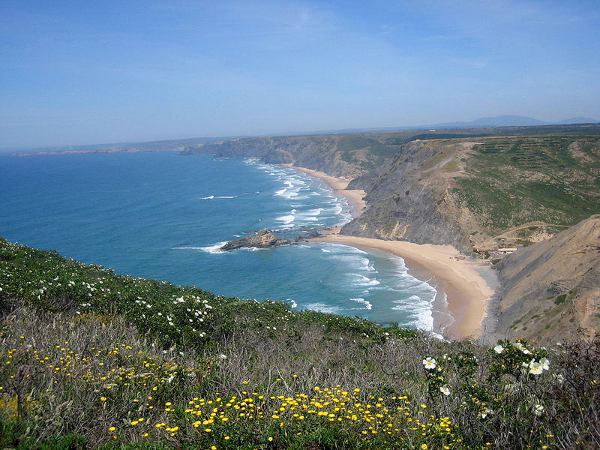
On the coast, the shoreline is endless and the landscape as varied as it is spectacular. High cliffs and uninterrupted landscapes. From north to south there are beaches for all tastes. Some large, with golden sand and relatively calm waters, others smaller and more difficult to access, with rougher sea.
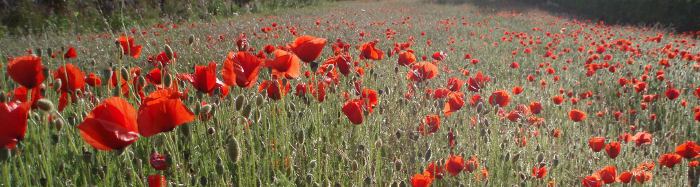
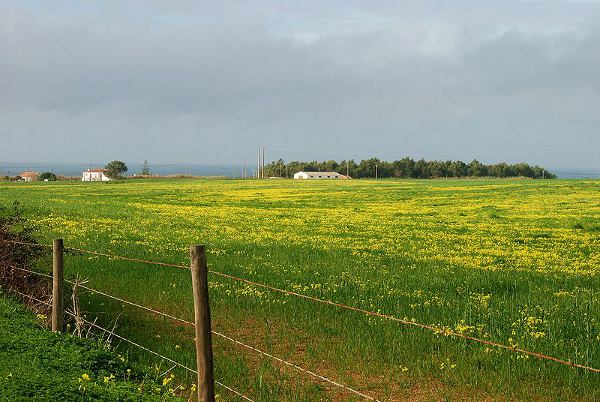
The fields are filled with flowers in the spring, inviting us to get closer to nature. The vast plains, now touched with colour, are a perfect complement to the beach.
And there are also the montes, those paradisiacal farms where nature merges with local traditions, creating a unique atmosphere. Here there are countless places to explore.
The towns and villages, with their open squares and traditional houses, have a special charm. It’s always worth visiting them and exploring them on foot. The local people are friendly and always ready to suggest what we should see, where we should go and who we should talk to … Here they know how to make people feel welcome. This is one of the many arts of the Alentejo.
For history lovers, this is a region rich in traces of the past. Like any coastal region, its defence was critical for local villages and their trade. Starting from the north, we can find castles in Alcácer do Sal, Santiago do Cacém, Sines and Odemira.
Near Santiago do Cacém, we can visit the Roman ruins of Miróbriga. Slightly further south, on Ilha do Pessegueiro and at Vila Nova de Mil Fontes, there are forts built in the 17th century to defend the land against pirates.