
Those arriving from the South are welcomed by the sight of the charming old houses on the other side of the river. The golden light on the picturesque colours of the Ribeira makes us dream of other times, of the golden age in which rabelo boats brought casks of port down from the upper Douro valley.

Situated at the mouth of the river, the city is spread over hillsides like a creeper. Its outstanding townscape justifies the inclusion of the centre of Porto on the World Heritage list. It is steeped in history and culture.
From the top of the Torre dos Clérigos, a fine example of Baroque architecture, there is a spectacular view over the whole city and the river.
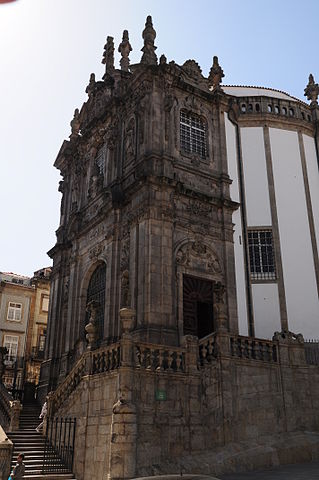
The church of Clérigos below is another monument to visit. The inspiring combination of Baroque and Rococo styles encourages us to continue to search for more testimonies of other eras.
In the old centre, granite provides the dominant colour, without hiding the beauty of this city. Walking through the streets, feel how the old and the contemporary constantly lead us to new discoveries. And those who think this is a “grey” city couldn’t be more wrong. In the most unexpected corners we find examples of modernity and creativity.

Traditional streets and avenues have been transformed into areas where the byword is “difference”. Designer boutiques alongside refurbished buildings converted into modern hotels and cosy guest houses add colour and meaning to a new lifestyle in the city.

This passion is embodied by new trends, with a cultural agenda that attracts crowds to the Casa da Música and Serralves Foundation, among other venues.
With a history dating back to the Middle Ages, the historic town was transformed centuries later into an important commercial port.
In the early 15th century, the Ribeira was filled with merchants and burghers with trade focusing on the river and the sea. Later, in the second half of the 17th century, the scenario changed. Under the influence of the English, neoclassical architecture reigned and buildings were raised that still dominate the local landscape.
On the river, the intense movement reflected by the large number of ships, shows that the city is still “into it” and that commercial traffic continues to be its focus.
Several centuries later, the river Douro that shaped the city continues to conquer its visitors.

