

Faro has always been a major port and trading centre. During the era of Phoenician colonisation, fish, farm and other products were already traded here.
Situated at the mouth of the estuary, it was occupied by different groups who appreciated its strategic position. Romans and Moors influenced the life and culture of the region, which prospered until the 16th century.
In recognition of this development, João III made Faro a city and in 1577 it became the seat of the bishop of the Algarve. It was in 1596 that Faro suffered the first major tragedy in its history. British troops led by the Earl of Essex plundered and burned the city, causing considerable damage.
Faro responded and during the 17th century and part of the 18th century it was reborn from the ashes. This gave rise to a new period of prosperity that was interrupted on 1 November 1755 by the Great Earthquake. The city was once again destroyed, but like the phoenix, it was reborn and recovered.

To get to know Faro means walking along its streets, looking carefully at its buildings that tell the story of the city and talking to people who are part of the local community.

Shops selling crafts and local products, side-by-side with countless bars and restaurants ensure a pleasant stay … The local cuisine is also a delight. Menus combine flavours of the sea with the aromas of the countryside, following ancient traditions that result in unique dishes. From Cuttlefish Roe to Tuna Steaks without forgetting Rice with Razor Shells, the local cuisine has a multitude of delicious options waiting for you.
And the charm of Faro continues along its coast, where we can find numerous natural treasures: beaches, the Ria and islands.
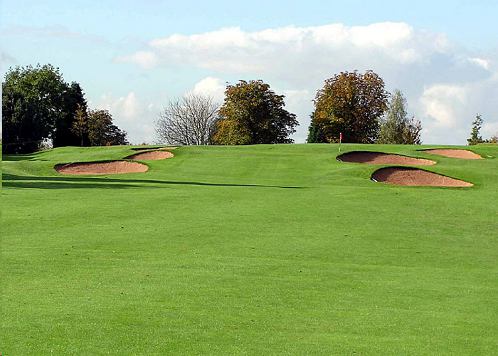
For golf lovers, the whole Algarve region is a paradise.
Numerous wonderful golf courses attract thousands of players to a region that offers excellent infrastructures and an ideal climate.
This is also one of the most important regions for bird lovers.
Throughout the year, around 300 species can be found in the Algarve, Ria Formosa and the coastal lagoons of Loulé being two of the main bird watching sites.